
Cabling, Bracing & Structural Support
Professional tree support systems that prevent failure and extend the life of valuable trees.
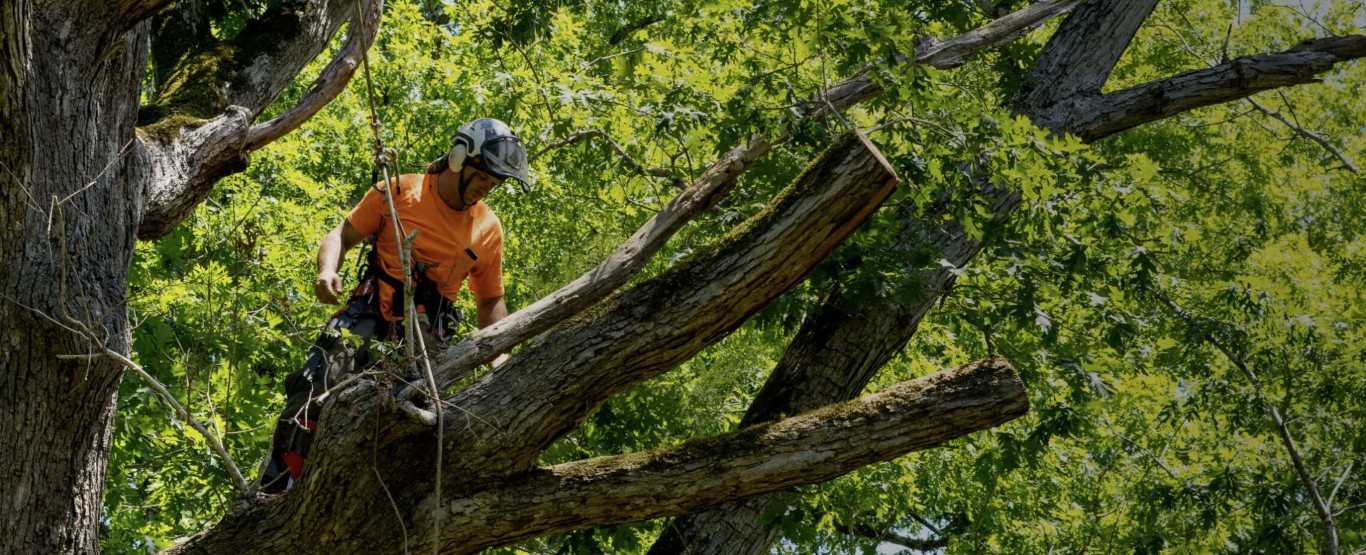
Some trees have weak or damaged structures that make them vulnerable to splitting, breaking, or falling during storms. Instead of removing a valuable tree, we can often save it by installing cables, braces, and other structural support systems. These supports reinforce weak areas and help the tree continue to grow safely for many more years.
At SpeedyWorks Celina Tree Service, we specialize in tree preservation through structural support. We assess your tree's condition and install support systems that protect both the tree and your property. If a tree cannot be saved, we also offer professional tree removal services.
What Are Cabling and Bracing Systems?
Tree cabling and bracing are proven methods for reinforcing weak tree structures. These systems work differently but often work together to provide maximum support.
Tree Cabling
Cabling involves installing flexible steel cables high in the tree's canopy to limit the movement of weak branches or co-dominant stems. The cables reduce stress on weak attachment points and help distribute weight more evenly. Cabling is especially useful for trees with multiple trunks that are prone to splitting.
Tree Bracing
Bracing uses rigid steel rods installed through weak unions or cracks in the trunk or major branches. The rods provide direct structural support and prevent splits from widening. Bracing is typically used for trees with existing cracks or V-shaped branch unions that are at risk of failure.
Combined Systems
In many cases, we install both cabling and bracing together for maximum support. The braces stabilize weak areas near the trunk, while the cables limit movement higher up in the canopy. This combination provides comprehensive protection for structurally compromised trees.
Signs Your Tree Needs Structural Support
Not every tree needs cabling or bracing, but certain conditions make structural support highly beneficial. You should consider support systems if your tree has:
- •Multiple Trunks: Co-dominant stems create weak attachment points that are prone to splitting
- •Visible Cracks: Cracks in the trunk or major branches indicate structural weakness
- •Heavy Horizontal Branches: Long, heavy branches that extend far from the trunk risk breaking under their own weight
- •Previous Storm Damage: Trees that have partially split or broken but are still standing can often be saved with support
- •High Value: Mature shade trees or specimen trees that are irreplaceable are worth protecting
- •Proximity to Structures: Trees near homes, garages, or other buildings pose extra risk if they fail
We can assess your tree and recommend whether structural support is appropriate. In some cases, strategic pruning can reduce weight and stress without needing cables or braces.
Benefits of Tree Support Systems
Installing structural support systems offers several important advantages:
- •Preserves Valuable Trees: You can keep mature trees that provide shade, beauty, and property value
- •Reduces Risk: Support systems significantly reduce the chance of catastrophic failure during storms
- •Cost-Effective: Installing support is usually much less expensive than removing and replacing a large tree
- •Long-Lasting: Properly installed cables and braces can last 10 to 15 years or more with periodic inspection
- •Environmentally Friendly: Preserving existing trees is better for the environment than cutting them down
Our Installation Process
Installing tree support systems requires specialized knowledge and equipment. Here is how we handle the process:
Step 1: Tree Assessment
We evaluate the tree's structure, identify weak points, and determine whether support systems will be effective. We consider the tree's species, age, health, and location.
Step 2: System Design
We design a customized support system based on the tree's specific needs. We select cable placement, rod sizes, and anchor points that provide optimal support.
Step 3: Professional Installation
Our certified arborists climb the tree and install cables and braces according to industry standards. We use high-quality materials and proper installation techniques to ensure the system will hold under stress.
Step 4: Ongoing Monitoring
We recommend periodic inspections to ensure the support system remains effective. Cables and hardware should be checked every few years and adjusted as the tree grows.
Want to Save a Valuable Tree?
Get a free assessment and find out if structural support can help.
Call (945) 600-9087